
A healthy smile rarely comes from one big decision. It comes from small daily actions that add up. The best part is that most of those actions take only minutes. A few smart habits can lower the risk of cavities, gum irritation, chronic bad breath, and costly dental work later.
Many people start paying closer attention after a new goal, a big event, or a treatment plan at a trusted office like Orto Nova Clinic. For some patients, that plan can include advanced tooth replacement options such as all on 4. Even then, daily care stays at the center of long-term comfort, fresh breath, and strong oral function.
Build a Simple Brushing Routine That Works Every Time
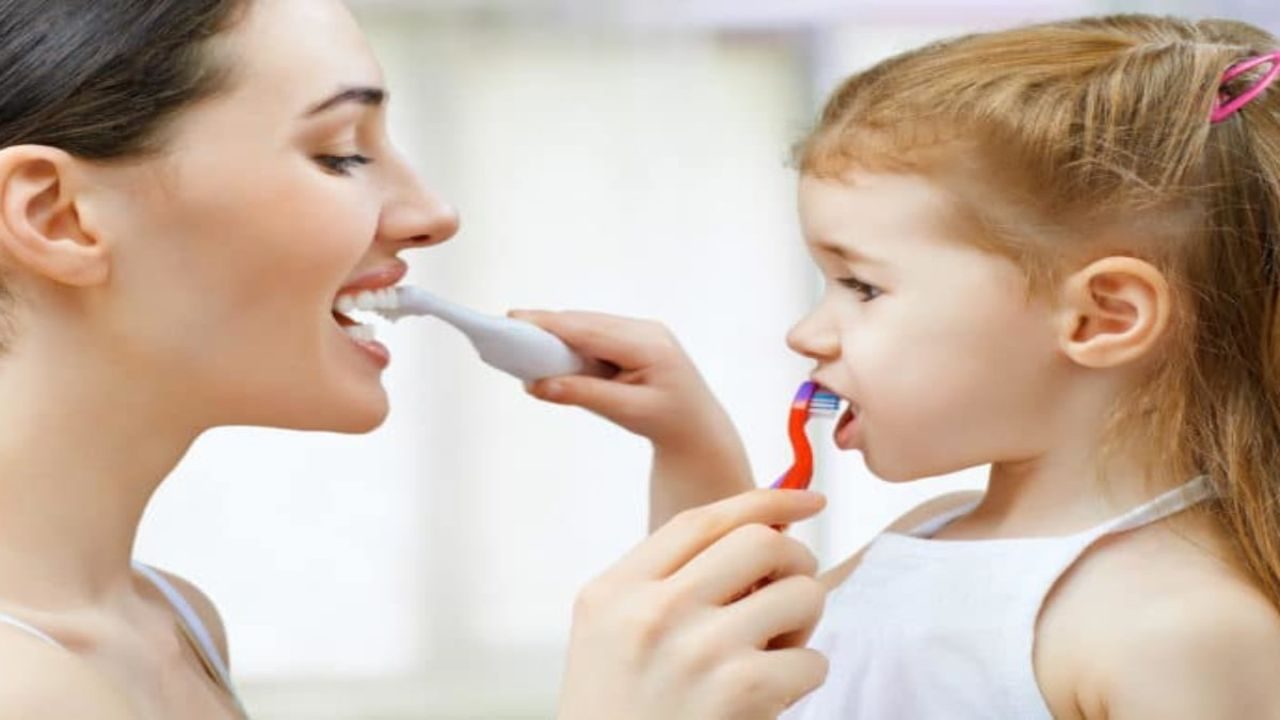
Brush twice a day, but focus less on the number and more on the method. Use a soft-bristled toothbrush and a fluoride toothpaste, and spend two full minutes. Angle the bristles toward the gumline, then use small, controlled strokes. That approach clears plaque where it likes to hide, right along the edge where tooth meets gum.
Pressure matters. Many people brush too hard, thinking it cleans better. It does not. Heavy pressure can irritate gums and wear enamel over time, especially near the gumline where teeth can become sensitive. A light touch plus a consistent pattern across every surface works better than speed or force.
Electric toothbrushes can help with technique because they keep motion consistent and often include timers. Manual brushing works well too when the routine stays steady. The key is coverage. Front, back, and chewing surfaces. Upper and lower. Left and right. The goal is a clean sweep, not a quick scrub.
Clean Between Teeth Daily, not “When You Remember”
A toothbrush cannot reach the tight spaces between teeth. That is where plaque builds and gum inflammation often begins. Daily flossing or interdental cleaning removes debris and biofilm from areas that brushing misses. This step often makes the biggest difference in gum health.
Traditional floss works well when used correctly. Slide it gently between teeth, curve it into a C shape against one tooth, then move it up and down. Repeat on the neighboring tooth before moving on. Avoid snapping the floss down because that can irritate gum tissue and make the habit feel uncomfortable.
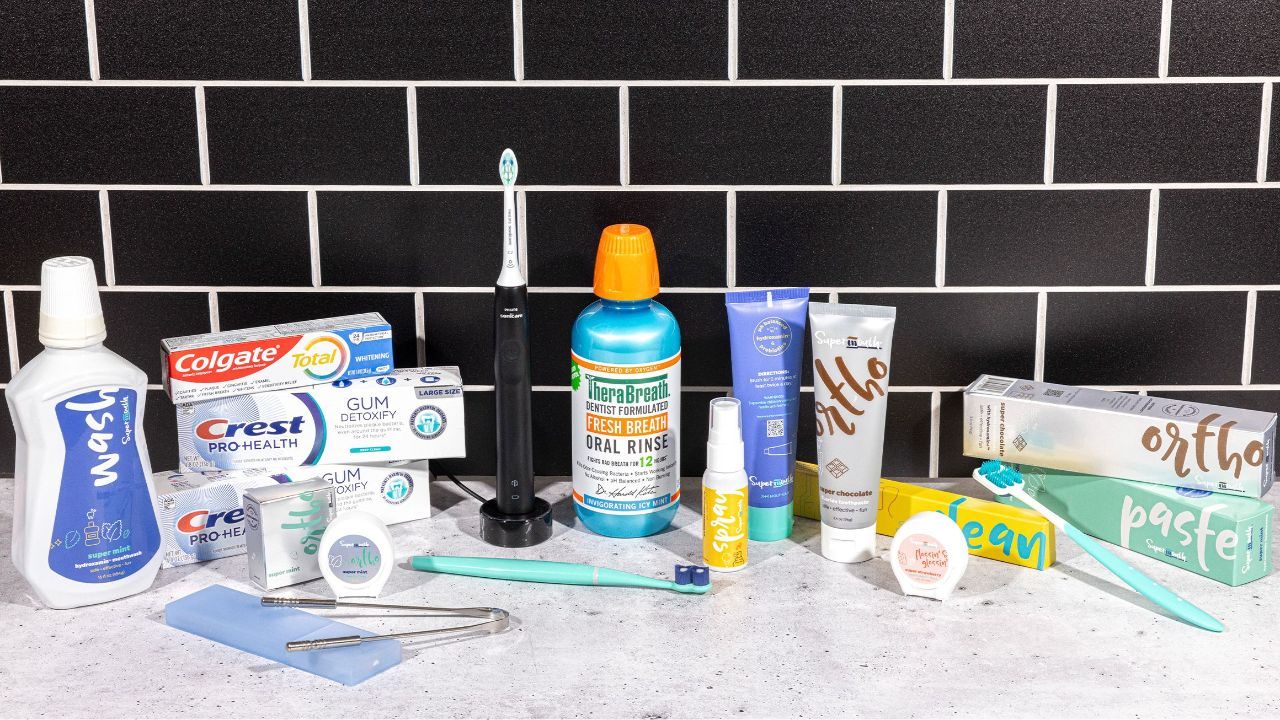
If flossing feels difficult, try floss picks, interdental brushes, or a water flosser. Interdental brushes can work especially well for wider spaces, braces, or certain dental restorations. Water flossers help flush out debris and can support gum comfort, but they work best when paired with regular brushing and a consistent routine.
Make Mouthwash a Tool, Not a Shortcut

Mouthwash can support oral hygiene, but it cannot replace brushing and interdental cleaning. Think of it as an extra layer that targets bacteria, freshens breath, and in some cases adds fluoride protection. The right choice depends on the goal: cavity prevention, gum support, or breath control.
For cavity prevention, a fluoride rinse can strengthen enamel and help reduce early demineralization. For gum support, an antiseptic rinse can reduce bacterial load, but some formulas can feel strong and may not suit everyone for daily use. Alcohol-free options often feel gentler and can still provide good benefits.
Timing matters too. If you use a fluoride mouthwash, follow the label instructions and avoid rinsing with water right after. That helps active ingredients stay in contact longer. If you notice dryness, burning, or changes in taste, switch products and ask a dental professional for guidance, especially if you manage chronic bad breath or frequent irritation.
Eat and Drink For Teeth, not Just for Energy
Daily choices at the table shape oral health more than most people realize. Sugar feeds cavity-causing bacteria, and frequent snacking keeps the mouth in a constant acid cycle. Even “healthy” snacks can cause trouble if they stick to teeth or get eaten all day long without breaks.
Try to give teeth recovery time. Space snacks, drink water after eating, and avoid sipping sugary or acidic drinks over long periods. Soda, sports drinks, juice, and sweetened coffee can keep enamel under attack for hours. If you want something beyond water, drinking it with a meal can reduce the number of acid exposures.
Texture helps too. Crunchy produce like apples, carrots, and celery can stimulate saliva and gently clean surfaces. Dairy products like cheese and plain yogurt can support enamel by providing calcium and phosphate. Sugar-free gum with xylitol can also help by boosting saliva and reducing certain bacteria, especially after meals when brushing is not possible.
Protect Your Gums and Enamel With Smart Preventive Habits
Gum health depends on consistent plaque control, but other daily habits matter as well. Smoking and vaping can irritate gum tissue and make it harder for the mouth to recover. Mouth breathing can dry oral tissues and contribute to bad breath. Teeth grinding can wear enamel and strain the jaw.
Hydration supports saliva, and saliva protects teeth. It neutralizes acids, washes away food particles, and supports a balanced oral environment. Drink water across the day, especially after coffee, meals, and exercise. If dry mouth persists, ask about causes such as medications, sleep habits, or underlying health issues.
If you grind your teeth at night, a custom night guard can protect enamel and reduce jaw tension. If you play contact sports, a mouthguard can prevent chips and fractures. Small protective steps can prevent sudden dental problems that feel expensive and disruptive.
Know When to Schedule Professional Care and What to Watch for
Home care does a lot, but it cannot remove hardened tartar or fully spot early issues under the surface. Professional cleanings and exams help catch problems while they are still easier to manage. Many people do well with visits every six months, but some need more frequent care based on gum health, cavity risk, and medical history.
Pay attention to early warning signs. Bleeding when brushing or flossing, persistent bad breath, gum swelling, tooth sensitivity, and pain when chewing all deserve attention. So do white spots on teeth, gum recession, or a tooth that suddenly feels “different” when biting. Early action often prevents bigger treatments later.
Keep your routine realistic. Consistency beats intensity. If a two-minute brush feels hard at first, use a timer and build the habit. If floss feels frustrating, switch tools. If dry mouth or sensitivity keeps showing up, adjust products and ask for guidance. A healthier smile comes from daily habits you can repeat, not a perfect routine you abandon after a week.