

Renovating your home? You’ve probably heard a lot of advice. From friends. From family. Even from TV shows. But here’s the thing—not all of it is true. Some common renovation beliefs could actually be draining your wallet instead of helping it.
Want to know what to avoid before you spend a cent? Keep reading. These five renovation myths are not only misleading—they’re costing you real money. And with a little planning (and the right info), you can skip the budget-busters and focus on what really matters.
High-End Materials Always Pay Off

Granite countertops. Imported tiles. Custom wood cabinets. They’re beautiful, sure. But are they worth it?
Not always.
Unless you’re in a luxury market, splurging on top-tier materials might not bring the return you expect. In fact, many buyers won’t even notice. Or worse—they might not care.
There are plenty of mid-range options that look high-end without the heavy price tag. Engineered stone instead of marble. Durable laminates instead of exotic hardwoods. Smart swaps like these can shave thousands off your renovation bill without sacrificing style.
And here’s something else. It’s not just about looks. Quality counts too. A sturdy, weather-resistant flagpole holder might sound unrelated, but it shows the same idea. Practical choices that last. That’s what truly saves money over time.
So when you’re choosing materials, ask this: Does it serve a purpose and fit the space? If the answer is no, it’s probably not worth the splurge.
DIY Always Saves You Money

Sounds smart, right? Cut out labor costs. Do the work yourself. Easy win.
But not so fast.
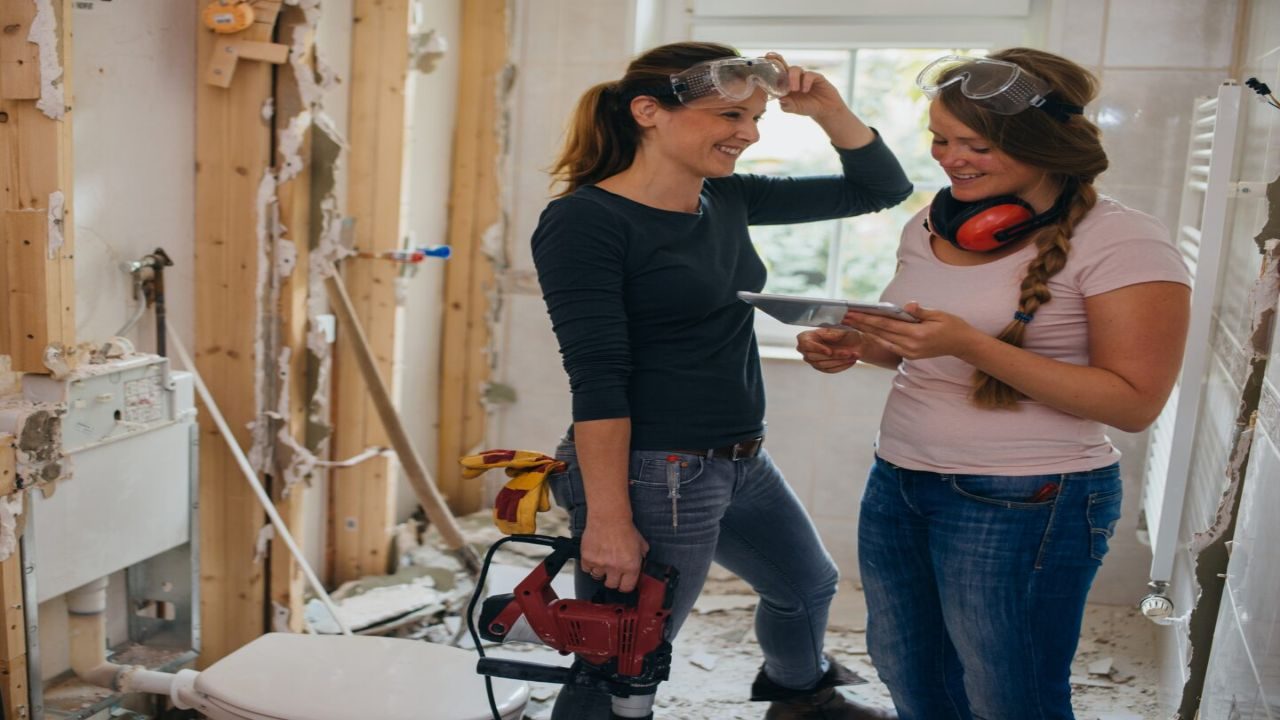
DIY can look like a money-saver, until it isn’t. Ever tried tiling a bathroom? It looks simple online. In reality, one wrong measurement and you’ve wasted an entire box of tiles. Not to mention your time.
And then there’s the cleanup. The redo. The expert you’ll end up hiring to fix it. That’s when the costs stack up fast.
In some cases, DIY works. Painting a wall? Go for it. Installing electrical wiring? Maybe not. Unless you’ve got the training, leave the technical stuff to the pros. Mistakes in plumbing, wiring, or load-bearing walls can cost thousands.
The takeaway? Doing it yourself doesn’t always mean doing it cheaper.
You Should Renovate Everything at Once
It sounds efficient. Get it all done in one go. Less disruption. Fewer surprises. Right?
But here’s the hidden trap: all-at-once renovations can destroy your budget.
When you tear out multiple rooms, you lose flexibility. If something goes wrong in one area, there’s no room to shuffle costs. You’re locked in. There’s no pause button when you’re already knee-deep in drywall.
A smarter move? Take it in phases. Start with the most important spaces. Kitchens and bathrooms usually offer the highest return on investment. Living room next. Maybe the guest room later.
That way, you keep control. You learn what to expect. And you don’t burn through your savings in one stressful sprint.
Think of it like climbing a ladder. One step at a time keeps you steady. Try jumping ten rungs? You’ll fall.
Permits Are Just Red Tape You Can Skip
Nobody likes paperwork. Especially when it slows things down.
But skipping permits? That’s a shortcut with serious consequences.
Here’s why. If your project isn’t up to code, you could face huge fines, forced demolition, and trouble selling your home later.
And inspectors aren’t easy to fool. They’ll check plumbing, wiring, roofing, and more. If something’s off, you’ll be on the hook.
So yes, permits can be a hassle. But they’re worth it. They protect your home’s value and your safety.
Before starting any big project, call your local building department. Ask what’s required. It might feel like a detour, but it’s one that’ll save you money in the long run.
Renovations Always Increase Your Home’s Value
Wishful thinking, but here’s the truth—not every renovation pays off.
Some projects offer a solid return. Like updated kitchens, bathrooms, and energy-efficient windows. Others? Not so much.
Think home theaters. Wine cellars. Massive pools in cold climates. They sound fun. But they can actually turn buyers away. Especially if maintenance costs are high or the space doesn’t suit their lifestyle.
Here’s a good rule: Focus on what most people want. Storage space. Open layouts. Natural light. These upgrades tend to hold value across markets.
Before committing to a major change, ask yourself, “Would the next owner find this useful?’ If the answer’s “maybe,” it might not be the best investment.
The Bottom Line
Renovation myths are everywhere. And they’re sneaky. They sound helpful. They sound logical. But in reality? They drain your budget and leave you with regrets.
The good news? Now you know better. You can plan smarter. You can spend wisely. And you can actually enjoy the process, without the nasty surprises.
Take your time. Do your research. Ask questions before picking up a hammer.
Because when it comes to your home, small decisions make a big difference.
Want to get more renovation tips that actually save money? Stick around. There’s more where this came from.