
Music and film go hand in hand. Together, they tell stories, build tension, spark emotion, and breathe life into even the quietest scenes. Without music, even the most well-shot movie can feel flat. That’s why learning how to produce cinematic music is a skill in high demand. If you’re serious about getting better at this craft, a course can speed up your progress and sharpen your instincts. Let’s break down how music shapes different moments in film—and what producers need to consider when crafting sound for the screen.
Action Scenes
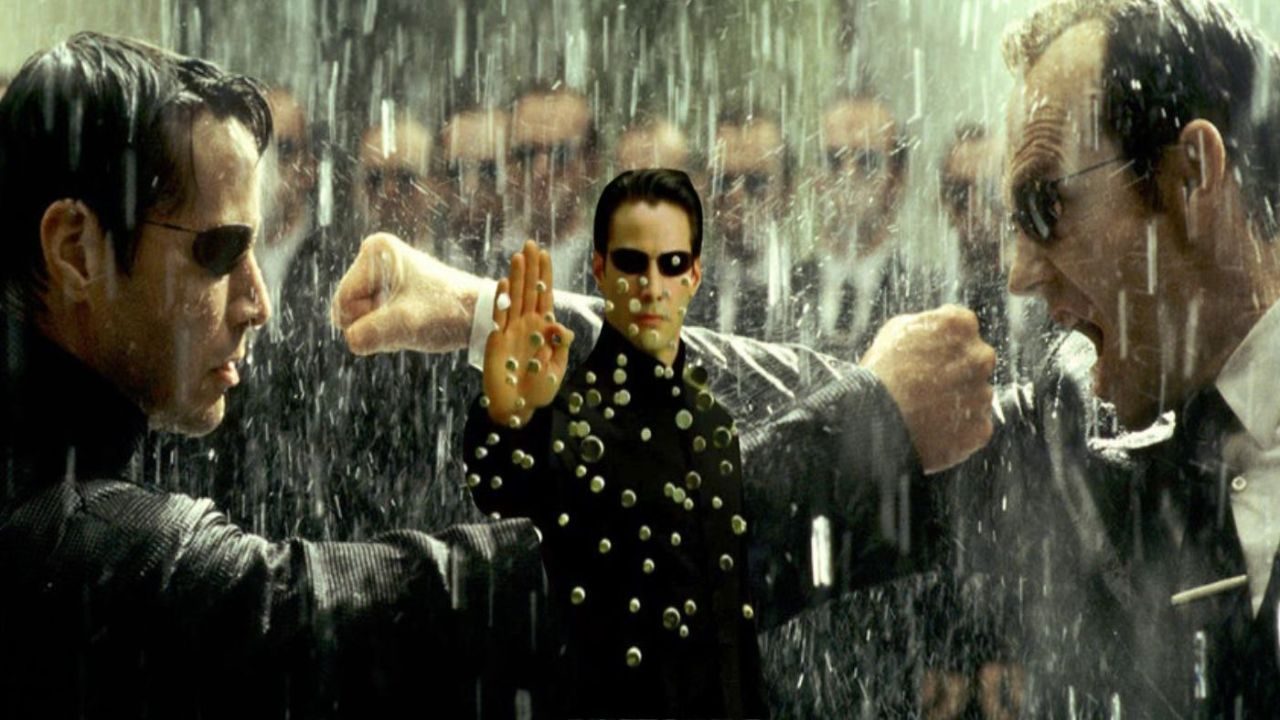
When you’re scoring an action sequence, pacing is everything. Fast rhythms, strong percussion, and bold brass usually drive these moments. Think of car chases, fight scenes or heroic escapes. The music must match the adrenaline on screen.
Producers often use repetitive motifs with rising intensity. This keeps the audience hooked and raises the stakes as the scene unfolds. Clarity is also important. Even with all the layers, every sound must feel intentional. If it gets too chaotic, you lose impact.
Romantic Scenes
Love stories need warmth. Strings and piano work wonders here. They offer softness and emotional depth. The goal is to let the audience feel the connection between the characters.
In romantic scenes, less is often more. Slow tempos, gentle melodies, and subtle harmonic shifts speak volumes. Music should support the moment, not steal attention. The audience should feel like the music is part of the atmosphere, not an added element.
Suspense and Horror
Scoring suspense is all about restraint. It’s not about loud or fast. It’s about creeping tension. Think slow-building drones, eerie textures, and dissonant strings. These sounds tap into our fear of the unknown.
Timing is key. A sudden silence can be more powerful than any sound. When used well, music in horror doesn’t just support the visuals—it becomes the threat. Producers must think about space, rhythm, and how to mislead the listener.
Comedy

Comedy scoring is tricky. It’s not just about being upbeat. It’s about rhythm and timing. A quick musical sting can land a punchline. A quirky tune can set the mood for a light-hearted scene. Here, producers should avoid over-scoring. The joke should land on its own. The music is there to enhance, not distract. Light instrumentation, simple harmonies, and playful melodies often work best.
Drama
Dramatic scenes demand sensitivity. Music must respect dialogue and emotion. Producers often use ambient textures, gentle chords, or minimalistic motifs. These help create mood without overwhelming the story. Dynamic control is crucial. A swell at the right moment can elevate a powerful line. Silence can add weight to an emotional pause. The music should feel like an invisible character—present but not dominating.
Fantasy and Sci-Fi
Big, imaginary worlds need bold, imaginative music. In these genres, composers and producers get to explore new soundscapes. Choirs, synths, exotic instruments—they all have a place.
Still, the music must feel cohesive. The goal is to support the world the director has created. Whether it’s a galaxy far away or a magical realm, the score should feel like it belongs there. And each sound must be chosen with purpose.
Producing music for film is more than making something that sounds good. It’s about supporting a story. It’s about knowing when to go big—and when to pull back. With practice and the right tools, anyone can improve. Understanding what each scene needs is the first step. Then comes learning how to translate that into sound.