

Most adults pick up a handful of skin growths by their thirties. Some appear so gradually you barely notice them. Others show up in a month or two, usually in a spot that makes you wonder whether something changed underneath.
A lot of these growths are harmless. A few are worth watching. Telling them apart is not always obvious without a trained eye, which is why clinics like https://luminederm.com/ exist in the first place. This article walks through what these growths actually are, what separates the boring ones from the ones that matter, and how to build a small routine that catches problems early without turning you into a hypochondriac.
What Actually Causes Skin Growths in the First Place

Skin is a working organ. It replaces its outer layer every month or so, it reacts to sun, friction, hormones, and age, and it occasionally produces growths as a side effect of all that activity. The two most common lumps people ask about are moles and skin tags, and the distinction between them is not subtle once you know what you are looking at. A thorough breakdown of the mole vs. skin tag question covers the anatomical differences in detail, but the short version is this: moles are clusters of pigment cells sitting within the skin, while skin tags are small flaps of skin that hang off the surface on a narrow stalk.
Moles form when melanocytes, the cells that make pigment, bunch up instead of spreading evenly. This often happens in childhood or adolescence, though new ones can appear into adulthood. Skin tags come from a different process entirely. They tend to form in places that rub, like the neck under collars, the armpits, the groin, and the crease under the breasts. That is why skin tags are more common in people who are older, heavier, or pregnant, and why you rarely see one on the face.
Genetics plays a role in both. If your mother has dozens of skin tags by age sixty, you probably will too. Whether that matters depends on what else is going on.
The ABCDE Rule and Why It Still Matters
Not every mole is cause for concern, but the minority that are can be serious. Melanoma, the most dangerous form of skin cancer, often starts in an existing mole or as a new pigmented spot. The American Academy of Dermatology teaches patients the ABCDE rule for self-checks: asymmetry, border irregularity, color variation, diameter over 6 millimeters, and evolution over time.
Of those five, evolution is the one most people underrate. A mole that has looked the same for twenty years is almost always fine. A mole that is changing in any direction, even slowly, is the one to get checked. I have met people who stared at the same spot in the mirror for months without acting on it because they were waiting for something dramatic to happen. Melanoma rarely announces itself. It just keeps adjusting.
The other letters are easier to assess. Asymmetric shape, jagged borders, and mixed colors inside a single mole all suggest the pigment cells are not growing in an orderly way. Diameter is less useful on its own, since plenty of benign moles are large, but paired with any of the other signs it pushes a spot toward worth-a-look.
Skin Tags, Friction, and the Body Parts That Collect Them

The bothersome thing about skin tags is not medical, it is mechanical. They catch on necklaces, razors, and bra straps. They can bleed when torn. In some cases they become large enough to rub against clothing all day.
The usual spots are predictable. Necks and armpits lead the list, followed by eyelids, the area under the breasts, and the groin. Pregnancy is a common trigger, probably due to hormonal shifts combined with weight changes. Insulin resistance and metabolic syndrome are also associated with a higher tag count, which is one of the reasons dermatologists sometimes mention blood sugar when a patient shows up with a sudden crop of new ones.
Tags do not turn cancerous. That part is settled. The caveat is that sometimes a growth looks like a skin tag but is not one. Basal cell carcinoma, seborrheic keratoses, and certain moles on stalks can mimic tags to a non-specialist eye. If a “tag” starts changing color, growing quickly, or refusing to heal after a minor injury, it should be examined rather than assumed.
Removal Options: What Works, What’s Hype
In a clinical setting, removal takes less time than a dental cleaning. Online, it is a minefield. Moles are usually excised in a dermatology office with a shave or punch technique under local anesthetic, then sent to pathology if there is any question about what they are. Skin tags are snipped off with sterile scissors or frozen with liquid nitrogen, both of which take about thirty seconds per tag.
The Mayo Clinic explicitly advises against at-home removal of anything pigmented, because removing a mole without pathology destroys the evidence of what it was. If it was early melanoma, you have lost the chance to stage it properly. For true skin tags, some people tie them off with thread at home, and this works, but it also occasionally leaves a small infection or a visible scar. Drugstore creams marketed as tag removers are, in my experience, the worst of both worlds: slow, irritating, and inconsistent.
The one situation where DIY genuinely makes sense is a tiny tag in a place the person cannot easily photograph for a telehealth visit. Everything else is cheaper and cleaner in a clinic.
Building a Simple Habit for Monitoring Your Skin
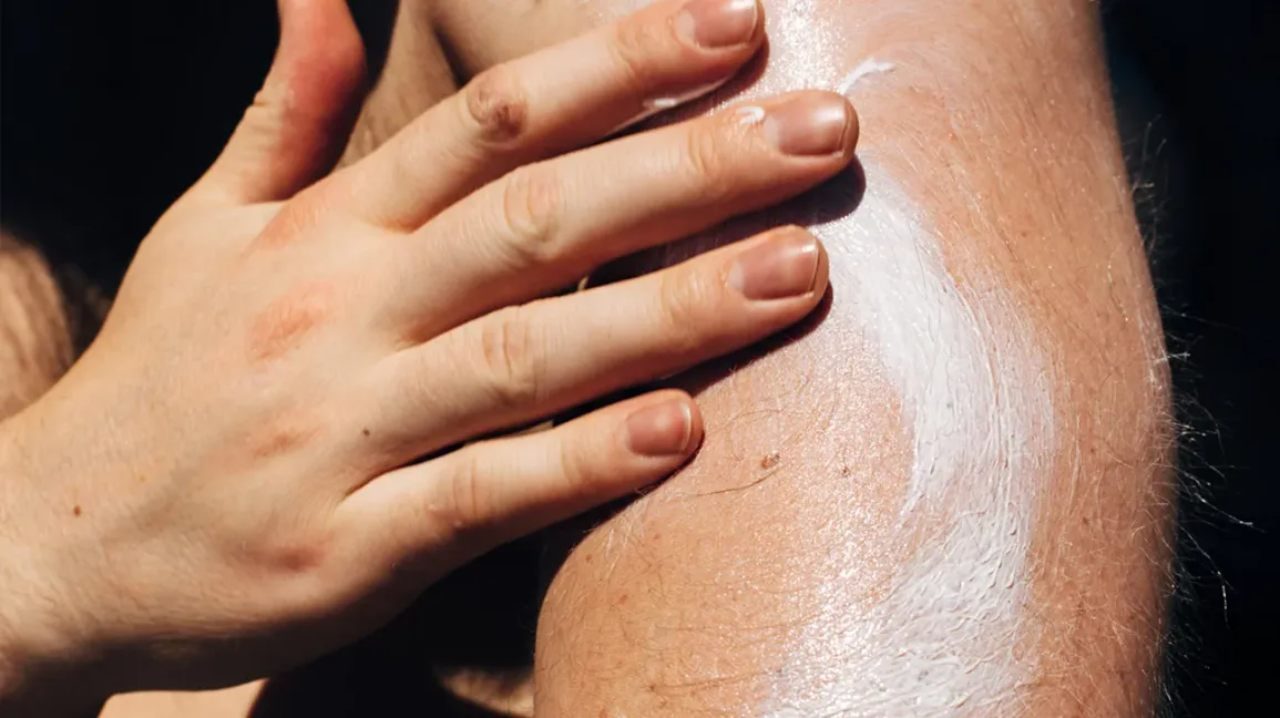
A yearly full-body check with a dermatologist is reasonable for most adults, and essential for anyone with a personal or family history of skin cancer, a lot of moles, or fair skin that burns easily. Between appointments, a thirty-second mirror check once a month is enough. The goal is not to diagnose anything. It is to notice change.
Use your phone. Photograph any mole that is new, irregular, or in a spot you cannot easily see, like the back or scalp. Date the photos. If something looks different six months later, you have proof rather than a vague feeling. I keep a single album on my phone for this, and it has saved me one trip to the dermatologist and prompted another.
The growths people worry about most are usually fine. The ones that matter are often the ones that were ignored because they seemed unremarkable. A little consistency in the mirror beats a lot of anxiety, and it gives a specialist something concrete to compare against when you do sit down for a real exam.