
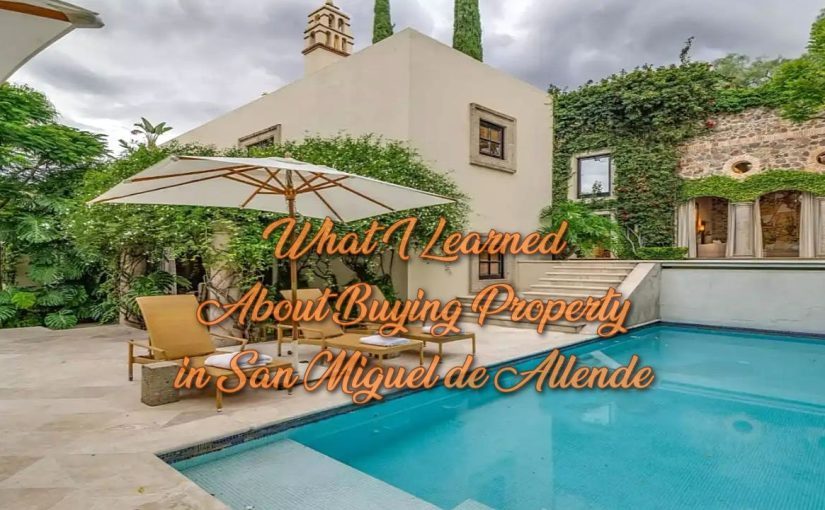
Buying in San Miguel de Allende taught me something that sounds simple, but changes everything. You are not buying “a house in Mexico.” You are buying a lifestyle with real operational details attached. Street noise. Water pressure. Walkability. Weekend traffic. Morning light. The way the neighborhood feels on a random Tuesday, not during a dreamy long weekend.
Early on, I leaned on a few starting points that helped me ask better questions and avoid common traps: https://dreamprohomesluxury.com/san-miguel-de-allende/neighborhood/el-paraiso/ and https://dreamprohomesluxury.com/. Those pages did not “sell” the decision for me. They helped me frame the decision, then test it in real life with real constraints.
I Stopped Chasing “Perfect” and Started Chasing Fit
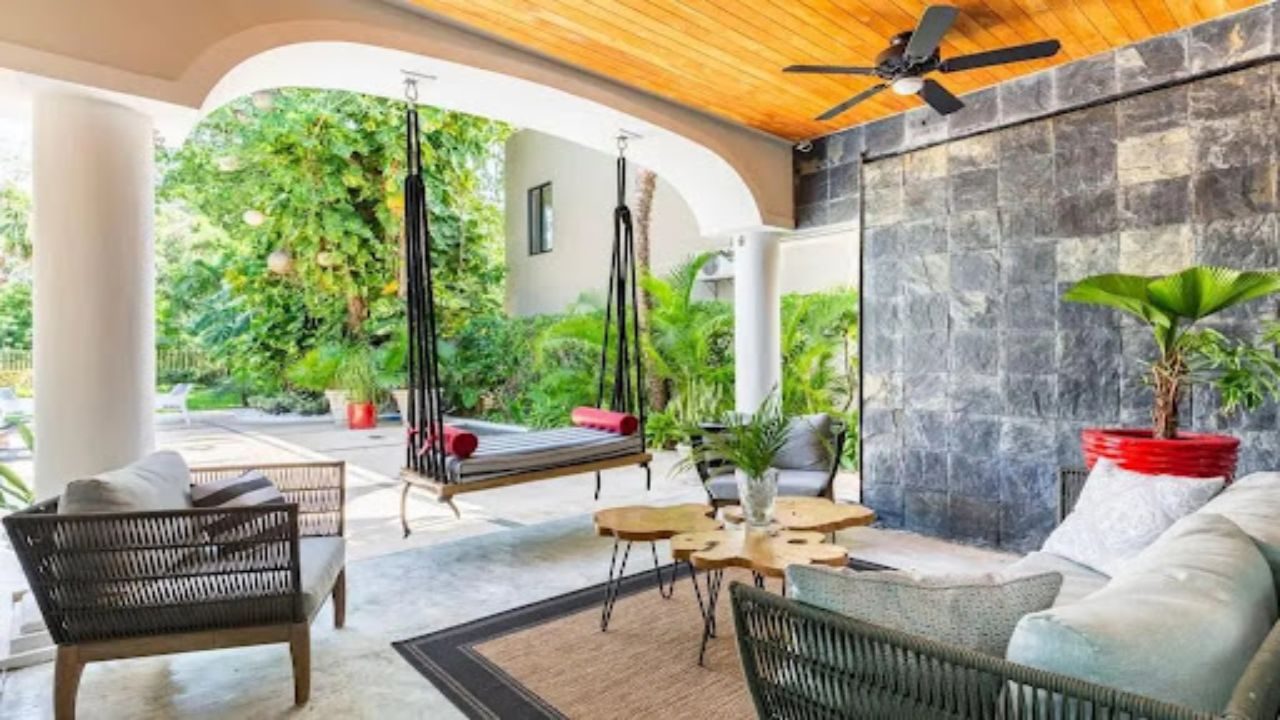
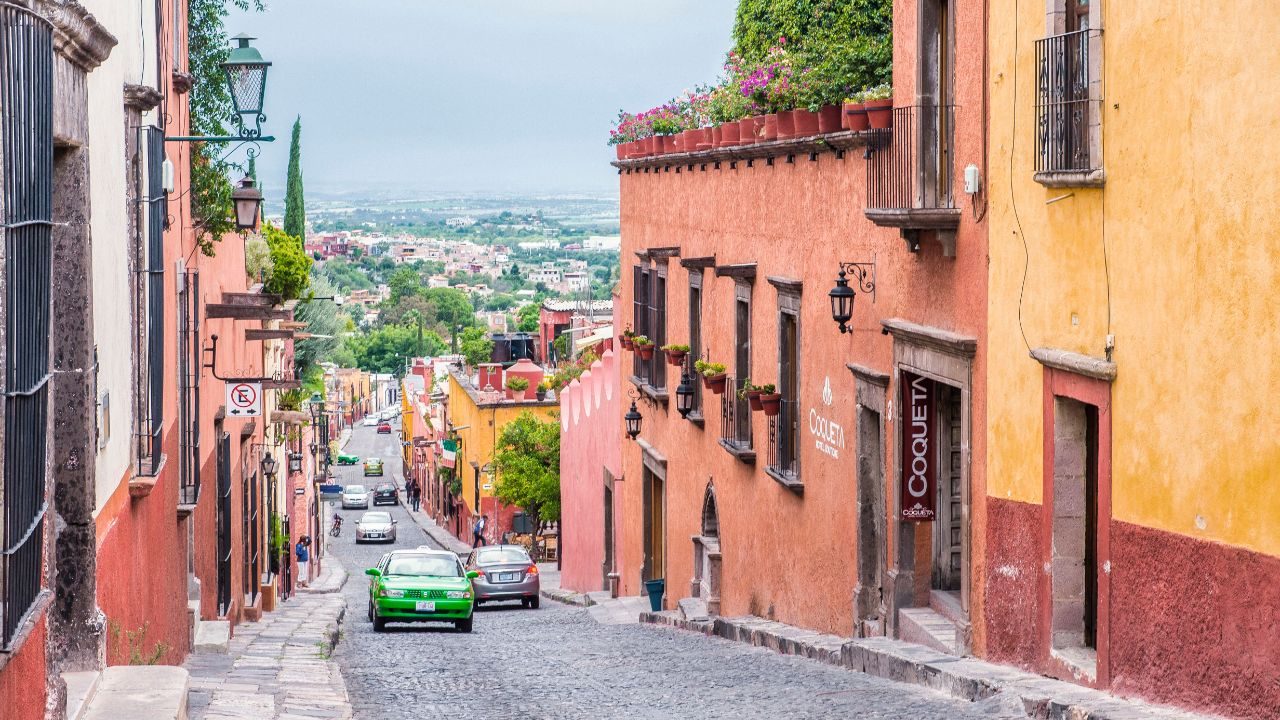
At first, it is easy to get hypnotized by the photos. Courtyards. Arches. Rooftop terraces at sunset. Then reality shows up quickly: steep streets, parking limits, noise patterns, and the daily flow of your life. I learned to write down my non-negotiables in plain language. Not the romantic version. The practical version. “I want to walk to dinner without feeling unsafe.” “I need quiet mornings.” “I do not want to fight for parking every day.”
San Miguel is a city of micro-markets. Two homes with the same price can feel like different worlds based on the block, the slope, the view corridor, and the pace of the street. I started doing “commute tests” even though I was not commuting to an office. I walked the routes I would walk. I drove the routes I would drive. I listened at night. I visited at different times, including weekends, because San Miguel changes tempo fast.
The biggest mindset shift was this: a great home in the wrong spot becomes a daily irritant. A good home in the right spot becomes a calm anchor. Once I accepted that, my search got sharper and less stressful.
I Learned the Legal Framework Is Clear, But the Details Still Matter
One major relief: foreigners can legally buy property in Mexico, and residency is not required to purchase. That said, the structure depends on location. The well-known “restricted zone” rules apply to coastal and border areas, where a bank trust called a fideicomiso is commonly used. San Miguel de Allende is inland, so those coastal restrictions typically do not drive the purchase structure there, which simplifies things for many buyers.
The role of the notario público was another big learning moment. In Mexico, the notary is not just a stamp. The notary handles key legal steps in the transfer and later registration, which is central to making the transfer enforceable against third parties. That is comforting, but it also pushed me to stay engaged. Comfort is not a strategy. You still need to read, verify, and ask questions until the answers make sense.
I also learned to separate three ideas that people mix up: ownership, possession, and paperwork timing. You can close, move in, and still wait for some formal steps to finish in the public registry pipeline. That is normal in many places, but you want to know the timeline and proof you will receive at each stage.
Due Diligence Is Not a Buzzword, It Is the Whole Game
In San Miguel, the charming facade can hide boring problems that cost real money. I learned to treat due diligence like an inspection plus a legal audit plus a utilities check. The deed history matters. The current owner on record matters. Any liens matter. You want clear documentation showing the property’s status in the public registry and confirming there are no surprises attached to the title.
I also learned to ask questions that sound “unromantic,” because those questions protect you. Are utilities properly connected and documented? Are there any unpaid obligations tied to the property? If the home sits in a community, what rules come with it? If there is an HOA, what does it cover, and what does it ignore? If the home has a rooftop terrace, was that built with proper permissions? A beautiful terrace is great. A terrace that triggers a dispute later is not.
Inspections mattered more than I expected. Not because San Miguel homes are “bad,” but because many are older, custom, or renovated in stages. The quality can be excellent, but it varies widely. Plumbing, electrical, water pressure, drainage, and moisture control deserve real attention. This is where you spend a little to avoid spending a lot.
The Offer Process Rewarded Clarity and Penalized Assumptions
Once I had the right target, the process became a test of clarity. What exactly is included? Appliances. Fixtures. Water systems. Furniture. Art. Even small things can cause friction if no one spells them out. I learned to treat the offer like a blueprint for future peace. Clear inventory lists. Clear dates. Clear responsibilities for repairs and punch lists.
Timelines also behave differently than many U.S. buyers expect. There can be waiting periods for documents, certificates, bank steps, and registration. Some parts move quickly, others do not. A good plan assumes variability, then builds in buffers instead of panic.
Currency planning was another surprise. Even when the purchase price is set, your actual cost in your home currency can shift with exchange rates, and fees can stack in ways that feel small until they are not. If you are moving funds internationally, treat timing and method as part of your budget discipline, not an afterthought.
Closing Costs Were Predictable Once I Stopped Guessing

I learned that “closing costs” is not one number. It is a group of fees and taxes that can vary by state and situation. In Mexico, the property acquisition tax is often a key line item. Beyond that, there are notary fees, registry fees, appraisal-related steps, and administrative certificates that support a clean transfer. A useful way to stay calm is to ask for a detailed estimate early and request an updated version as the transaction progresses. Numbers feel less scary when they are itemized.
Then there is the cost of ownership after closing. Annual property tax, sometimes called predial, can be lower than many buyers expect compared to some U.S. markets. The lesson is not “it’s cheap.” The lesson is “plan for the full ownership picture.” Maintenance, repairs, helpers, internet, water systems, and seasonal upkeep can matter more than property tax in your year-to-year reality.
Another lesson: saving money at closing is not the same as buying smart. A deal that looks “tight” on paper can turn into a money pit if you ignore inspection findings or rush the legal checks. The best savings I found came from patience and verification, not from cutting corners.
After Closing, the Real Work Begins and It Can Be Fun
Closing did not feel like an ending. It felt like a handoff. The practical work starts right away: setting up accounts, learning service routines, building trusted contacts for repairs, and figuring out what “normal” looks like in your part of town. If you buy an older home, you may also learn a new relationship with maintenance. Not in a stressful way, but in a real way. Older homes have personalities. They behave like they have lived a life.
I also learned that integration matters. San Miguel is welcoming, but your experience improves when you participate. Meet neighbors. Learn the rhythms of trash pickup, market days, and local holidays. Build a short list of dependable people: plumber, electrician, handyman, and someone who can help when you are out of town. That list is worth more than a fancy appliance package.
Finally, I learned to treat the purchase as one part of a broader plan. Are you buying a full-time base, a seasonal home, or a long-term investment? Do you want rental flexibility or strict quiet? Those answers shape the right property and the right neighborhood. When those pieces align, San Miguel delivers the best kind of luxury. Not flash. Comfort. Beauty that holds up on ordinary days.